
Work in progress: this site is still being developed, so some details may change.
← Back to home

Midweek mindful moments

Seasonal notes from the woodland.

Gentle reflections inspired by the seasons, local wild places and simple ways to notice, pause and feel connected with the woodland.

Wild tea recipes

A little warmth from the hedgerow.

Make time for a quiet cup with these hawthorn berry and rose hip teas. Both can be enjoyed warm or chilled.

Download both recipes (PDF)

Wild tea · 01

Hawthorn berry tea

Ingredients

  • 1–2 teaspoons of fresh or dried berries
  • 1 cup (250 ml) of freshly boiled water
  • Optional: honey or lemon to taste

Method

  1. Prepare the berries

    If using fresh berries, rinse and lightly crush them to help release their flavour. If using dried berries, measure out 1–2 teaspoons.

  2. Boil water

    Bring water to a boil, then let it cool for about 30 seconds.

  3. Steep

    Place the berries in a teapot or cup. Pour hot water over the berries. Cover and steep for 5–10 minutes.

  4. Strain and serve

    Strain the berries out if loose. Add a touch of honey or lemon if desired.

  5. Enjoy warm or chilled

    This tea can be enjoyed hot or cold. It makes a refreshing iced tea!

A note on foraging

Pick wisely. Deep red berries are the best — this colour lets you know they are ripe for picking.
Wild tea · 02

Rose hip tea

Ingredients

  • A small handful of fresh rose hips (or 1½ tablespoons of dried rose hips)
  • 1 cup (250 ml) of freshly boiled water
  • Optional: honey or lemon to taste

Method

  1. Prepare the rose hips

    If using fresh rose hips, first remove any stems or leaves, rinse a small handful and crush or chop them to help release their flavour. If using dried rose hips, measure out 1½ tablespoons.

  2. Boil water

    Bring water to a boil, then let it cool for about 30 seconds.

  3. Steep

    Place the rose hips in a teapot or cup. Pour hot water over the rose hips. Cover and steep for 5–10 minutes.

  4. Strain and serve

    Strain the rose hips out. Add a touch of honey or lemon if desired.

  5. Enjoy warm or chilled

    This tea can be enjoyed hot or cold. It makes a refreshing iced tea!

A note on foraging

Pick wisely. Rose hips picked after the first frost are best — they are sweeter and softer.

Queen of the Woodland

The Beech Tree

Fagus sylvatica

To sit beneath a beech is to sit with centuries of quiet knowing.
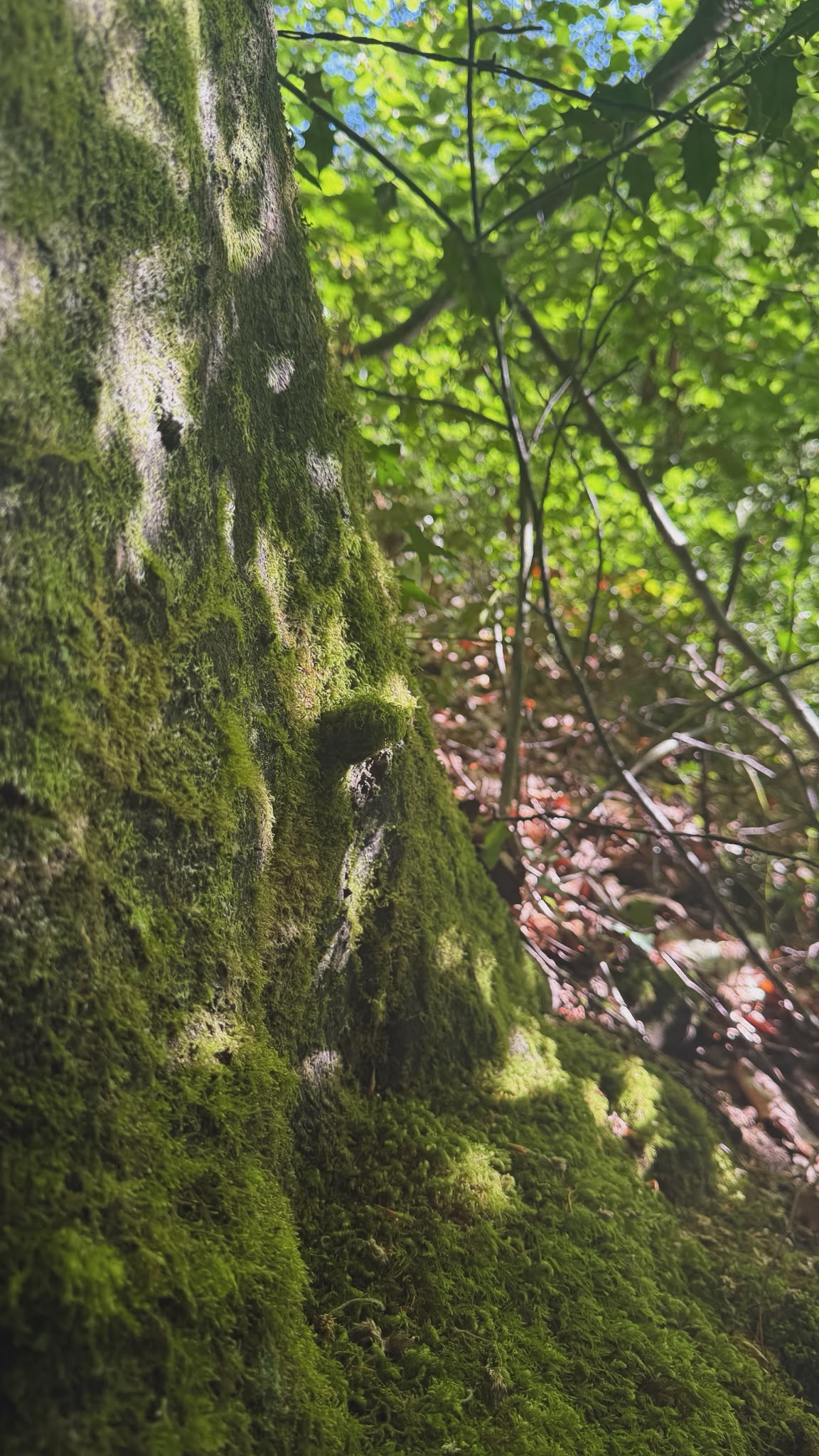
Sunlight falling across a moss-covered beech trunk beneath green woodland leaves.

Beech trees are native to the UK and often found in ancient woodland sites. These majestic trees can grow over 40 metres tall and are easily recognised by their smooth grey bark, wavy-edged green leaves, and their prickly beech nuts.

Often called the Queen of the Woodland or the Grandmother Tree, the beech is a nurturing presence in the forest. She shares nutrients and wisdom through the underground mycelial network, supporting neighbouring trees — even recognising her own saplings.

Beech woodlands provide food and shelter to a rich variety of wildlife. Their deep leaf litter nourishes the soil, while the mast feeds squirrels, birds, and small mammals.

In folklore, the beech is a symbol of wisdom, memory, and feminine strength. Early runes were carved into thin beech wood, and the word book may come from the same ancient root as beech.